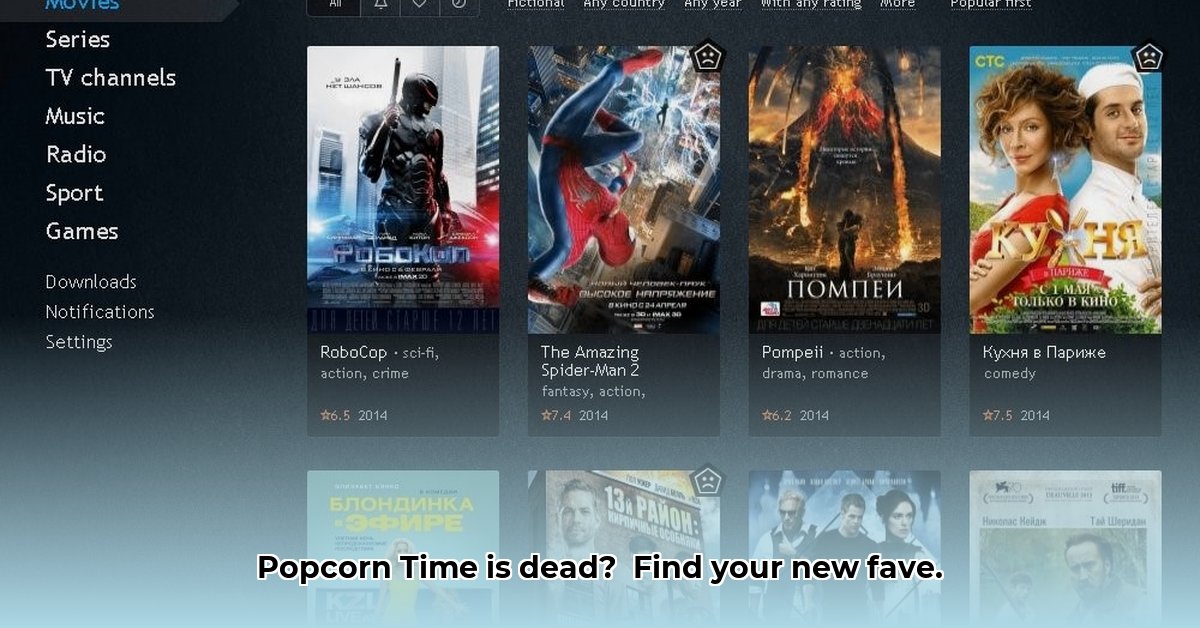
The cessation of Popcorn Time's operations in 2022 created a demand for alternative streaming platforms. This article examines both legal and illegal options, emphasizing responsible and safe practices.
Understanding the Legal Landscape: Navigating the Complexities
Navigating the world of online streaming requires careful consideration of legal implications. Many platforms operate in a legal gray area, aggregating links to publicly available content or hosting copyrighted material. The legality of accessing such content varies significantly by jurisdiction. Understanding your local copyright laws is paramount before using any streaming platform. Ignorance of the law is not a defense.
The Safe Route: Legitimate Streaming Services
Numerous legitimate streaming services offer extensive libraries of movies and TV shows. These represent the safest and most ethical approach. These platforms legally acquire the rights to distribute content, supporting creators and the industry. While they typically require a subscription fee, the cost provides legal access and avoids potential legal repercussions. The trade-off between cost and convenience is a crucial factor for potential users.
The Riskier Path: Unofficial Popcorn Time Alternatives
Unofficial alternatives often rely on torrent technology, offering extensive free content. However, these platforms carry substantial risks, including copyright infringement, malware exposure, and potential privacy breaches. While a Virtual Private Network (VPN) – (a service that masks your internet protocol address and encrypts your data) – can mitigate some of these risks, they don't eliminate them entirely. Using these platforms inherently involves a degree of risk.
Minimizing Risks When Using Unofficial Platforms (If You Choose To)
Should you choose to explore unofficial options, prioritizing safety is crucial. Proceed with extreme caution.
Use a Reputable VPN: A VPN enhances your online security by masking your IP address. Choose a reputable provider known for strong security features and a proven track record. Thorough research is essential before selecting a VPN provider.
Install and Maintain Robust Antivirus Software: Maintain updated antivirus software and regularly scan downloaded files. Avoid clicking suspicious links or attachments. Proactive security measures are vital.
Understand Your Local Copyright Laws: Familiarize yourself with relevant copyright legislation in your region. Unawareness of the law does not exempt you from responsibility.
Restrict Access to Public Domain Content: Limit your consumption to content free from copyright restrictions to minimize legal risks.
The Future of Streaming: A Dynamic Landscape
The future of streaming is characterized by a continuing tension between content creators' rights and consumers' desire for access. Ongoing legal challenges, stricter enforcement of copyright laws, and technological innovations will continue to shape the landscape. Technological advancement often complicates the legal definition of permitted access to content.
Weighing Your Options: A Quick Comparison
The following table provides a summary comparison of legal and illegal streaming options:
| Streaming Approach | Advantages | Disadvantages |
|---|---|---|
| Legal Streaming Services | Safe, ethical, supports creators, usually high-quality content | Requires a subscription fee, content availability may vary by location/service |
| Unofficial Popcorn Time Alternatives | Free access to a vast amount of content, often user-friendly | High risk of copyright infringement, malware, privacy breaches, legal issues |
This analysis offers essential information to guide your streaming choices. Remember, informed choices and responsible online behavior are paramount.
Best VPN for Accessing Geo-Restricted Streaming Sites
Accessing geo-restricted content is a significant consideration for many users. VPNs are frequently employed to bypass these restrictions by masking a user's IP address and creating the appearance of originating from a different location. However, selecting the right VPN requires careful evaluation.
"Several VPN services effectively bypass geographical restrictions on streaming platforms," states Dr. Anya Sharma, Cybersecurity Expert at the Institute for Internet Security. "However, it is crucial to understand that the effectiveness of this approach is dynamic and contingent upon both the strength of the VPN service and the evolving countermeasures implemented by streaming providers."
Choosing a VPN requires consideration of speed, security features, and price. Speed impacts streaming quality. Security features, such as robust encryption (AES-256 is the gold standard) and a kill switch (to prevent IP leaks if the VPN connection drops), are essential. Independent audits of a provider's "no-logs" policy would provide additional security. Finally, the cost must be evaluated relative to the features provided.
Choosing a VPN is a multi-step process:
- Research: Thoroughly research different VPN providers, examining reviews and comparing speeds, security, and costs.
- Trial: Utilize free trials or money-back guarantees whenever possible to test the VPN before committing long-term.
- Assess Key Features: Carefully consider essential features like a kill switch, split tunneling, and the size of the server network.
- Verify Security Audits: Prioritize providers with independent security audits, verifying the reliability of their "no-logs" claims.
- Scrutinize Terms and Policies: Thoroughly read and understand the provider's terms of service and privacy policy.
- Stay Informed: The ability of VPNs to bypass geo-restrictions is constantly evolving; remain informed about the latest developments.
This article emphasizes responsible streaming practices. The choice between legal and potentially illegal options carries distinct implications, and this guide encourages informed decision-making based upon an understanding of the associated risks.